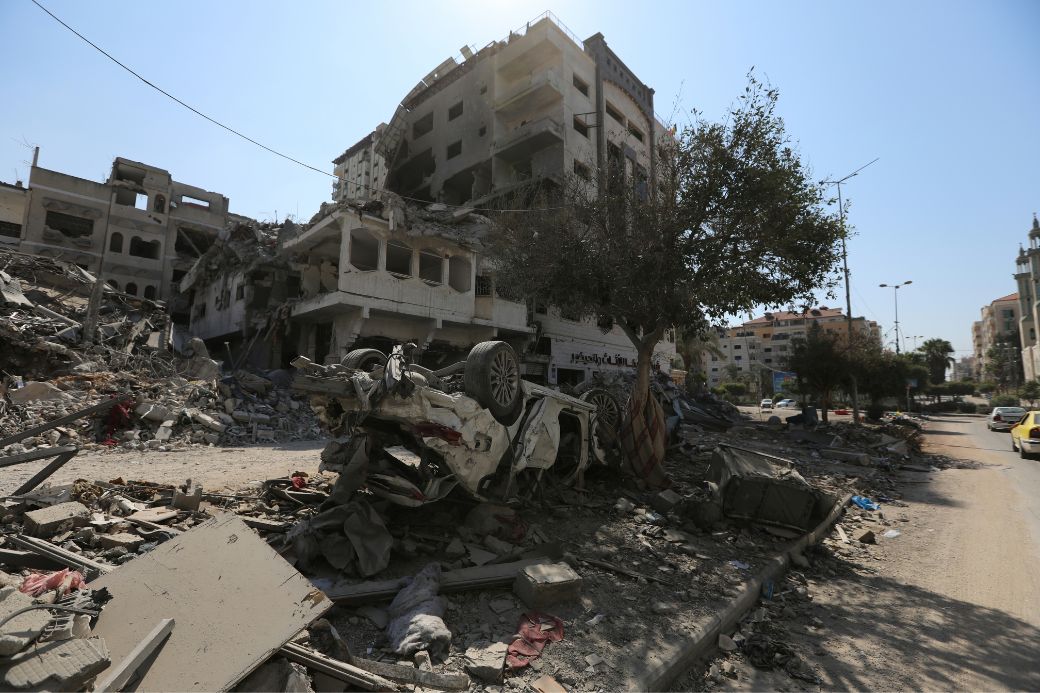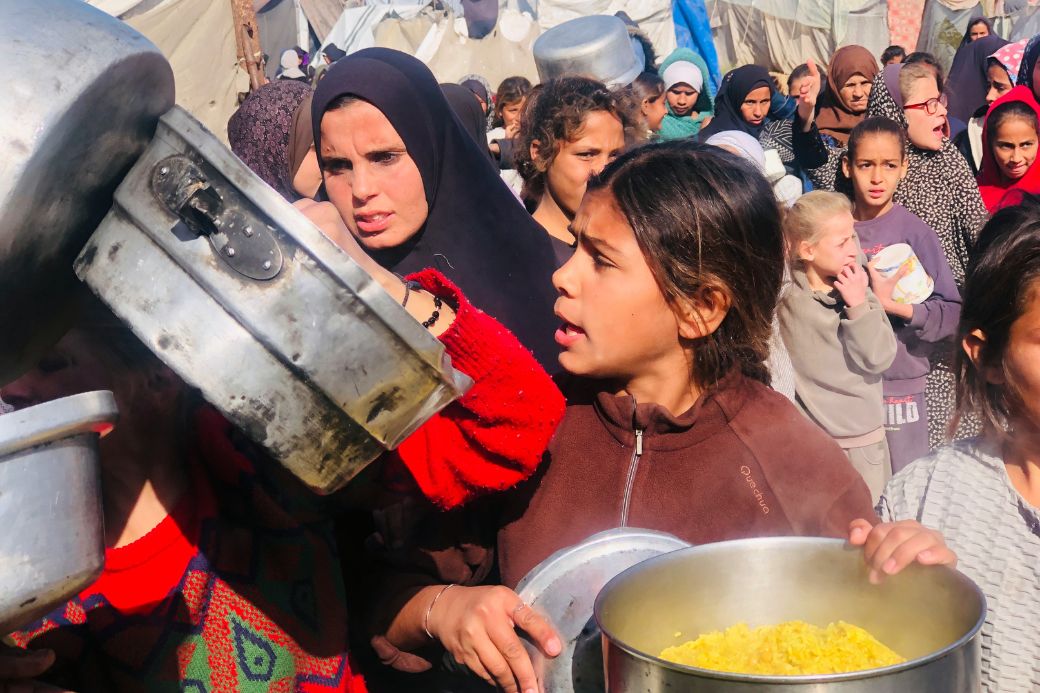
Amid a prolonged humanitarian crisis, the situation in Gaza continues to worsen. The population’s needs remain overwhelming, while access to essential goods and services for survival is becoming increasingly constrained.
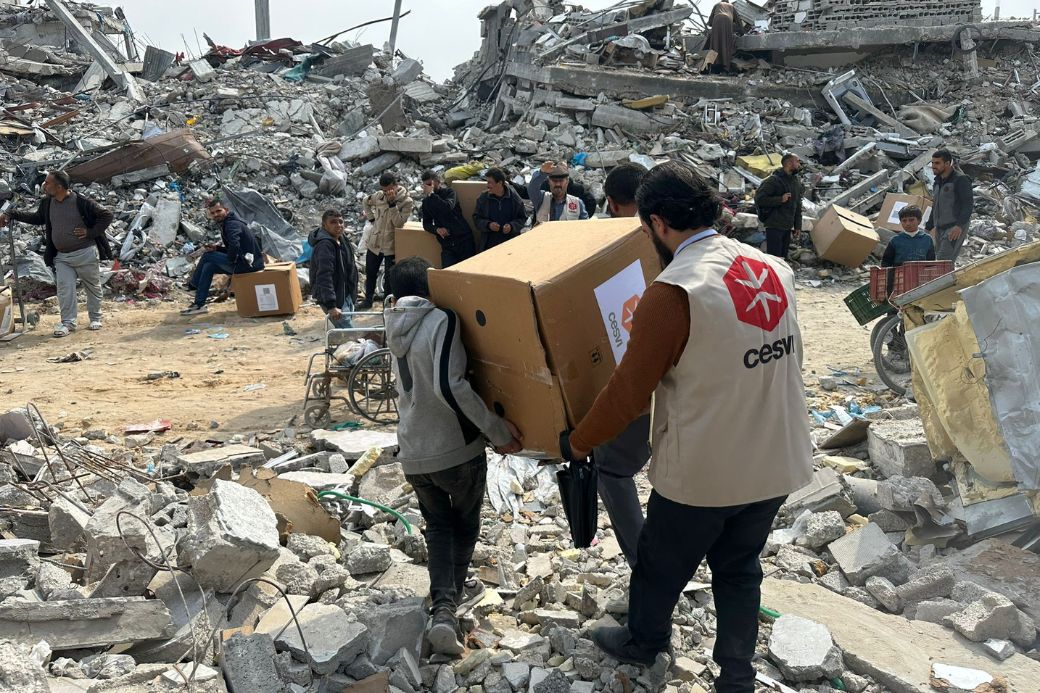
Every day in the Gaza Strip, access to basic necessities are progressively worsening. In this context, CESVI continues to provide critical and ongoing aid, distributing drinking water and supplying hygiene and sanitation support to tens of thousands of people.
The distribution activities have reached an average of 120,000 litres of water each day. In the past year, CESVI has provided over 24 million litres of potable water (24,460 m³), reaching approximately 63,000 people in 111 displacement camps.
Simultaneously, water, sanitation, and hygiene (WASH) infrastructure rehabilitation interventions have benefitted around 47,000 people, contributing to the reduction of public health risks, and improving, when and where possible, living conditions.
At the moment, the responsible authorities do not allow the entry of international staff to the Strip. All our humanitarian activities and interventions are managed internally by our Palestinian staff. This does not affect the continuity or effectiveness of our interventions. Our activities are ensured by the expertise and widespread presence of our local staff, working in constant coordination with CESVI’s emergency response unit.
Water access: levels are well below the survival threshold
Approximately 90% of water and sanitation infrastructure in Gaza is reportedly destroyed. The ability to filter and distribute drinking water is greatly compromised.
The average water supply is, as of today, only 3 litres per person per day, compared to 70 litres before the conflict. This is well below the survival threshold. Over 60% of families in the Strip do not have sufficient access to safe water, whereas only 10% of the population has constant access to clean water.
Water quality likewise represents a serious concern: water sources in more than 77% of temporary shelters appear to be contaminated. The capacity of desalination systems has diminished by 85%, further worsening the crisis.
Growing health risks
Sanitary conditions in the Strip are rapidly deteriorating, particularly in overcrowded areas. More than 496,000 cases of acute watery diarrhoea have been reported, along with a significant increase in hepatitis A. Skin infections and infestations are growing substantially: cases of scabies have tripled in the first three months of 2026.
Only 16 out of 73 sewage pumping stations are operational, resulting in the daily discharge of approximately 40,000 cubic metres of sewage. More than 80% of the displacement camps have also reported a constant presence of rodents and insects, exposing approximately 1.4 million people to serious health risks.
Widespread hunger with increasingly limited access to food
Approximately 77% of the population – amounting to 1.6 million people – lives in a state of acute food insecurity. Over one third of families are able to eat only once a day. More than half a million people are still living in emergency conditions, facing severe food shortages.
The collapse of agricultural production – with 87% of farmland damaged – has left the population almost entirely dependent on aid. Prices for essential food items have risen by 282%, making food unaffordable for many families.
Among the most vulnerable: women and children
In 2026, it is estimated that over 101,000 children under 5 and 120,000 between the ages of 5 and 17 will suffer from acute malnutrition. Among the youngest, over 31,000 cases will be severe, posing an immediate risk to survival. Approximately 37,000 pregnant or breastfeeding women also require urgent care. Additionally, 64% of children follow an extremely limited diet, insufficient for healthy development.
CESVI stands with the people of Gaza to ensure access to essential services and address the most urgent needs, even in one of the world’s most complex humanitarian contexts.